RULE NO. 1 for kidney health is PREVENTION.
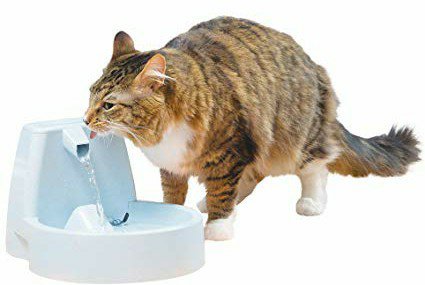
The best way to delay the start of kidney disease is to get your cat or dog into the habit of drinking more water. One of the best ways is to provide a water fountain.
Continue readingRULE NO. 1 for kidney health is PREVENTION.
The best way to delay the start of kidney disease is to get your cat or dog into the habit of drinking more water. One of the best ways is to provide a water fountain.
Continue readingDangerous foods for your dog
Save your pet from getting really sick or even death. And save yourself the money of having your pet in hospital for days and days while the vet tries to save your pet.
Continue readingBladder infections are very uncomfortable for our pets and can result in damage to kidneys if not treated early and prevented. Signs of a bladder infection include peeing outside of the litter box, only a small amount of urine comes out and your pet frequently tries to pee.
This is especially urgent if your pet is male because it could involve crystals that may block the urethra and so he won’t be able to pee. If you find your male pet unable to pee, immediately go to the vet because delaying emergency treatment (manual unblocking the opening & urethra under anesthesia) will result in the bladder bursting inside the body and death.
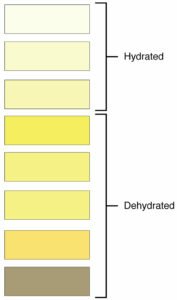
Aim to keep your pet’s urine color in the well hydrated range
A preventative for bladder infections and preserving kidney health is getting your pet to drink enough water.
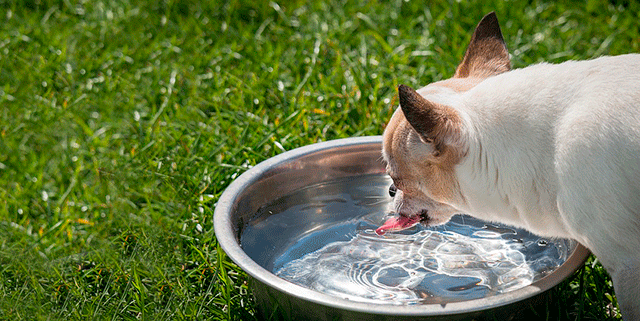
A healthy dog should drink 60-80 ml of water per kg of body weight. This would amount to 1 to 1.5 cups of water (250-400 ml) for a 5 kg dog over a 24-hour period. This requirement varies based on many factors and is not the same for each dog. Similarly, a cat should have a daily water intake of about 40-60 ml per kg per day.
How to get your dog/cat to drink more water? Cats especially love water fountains so it might solve the problem. If not, add water to their food and/or give a tasty liquid (salt free) like pet milk or a bit of canned food mixed with lots of water.
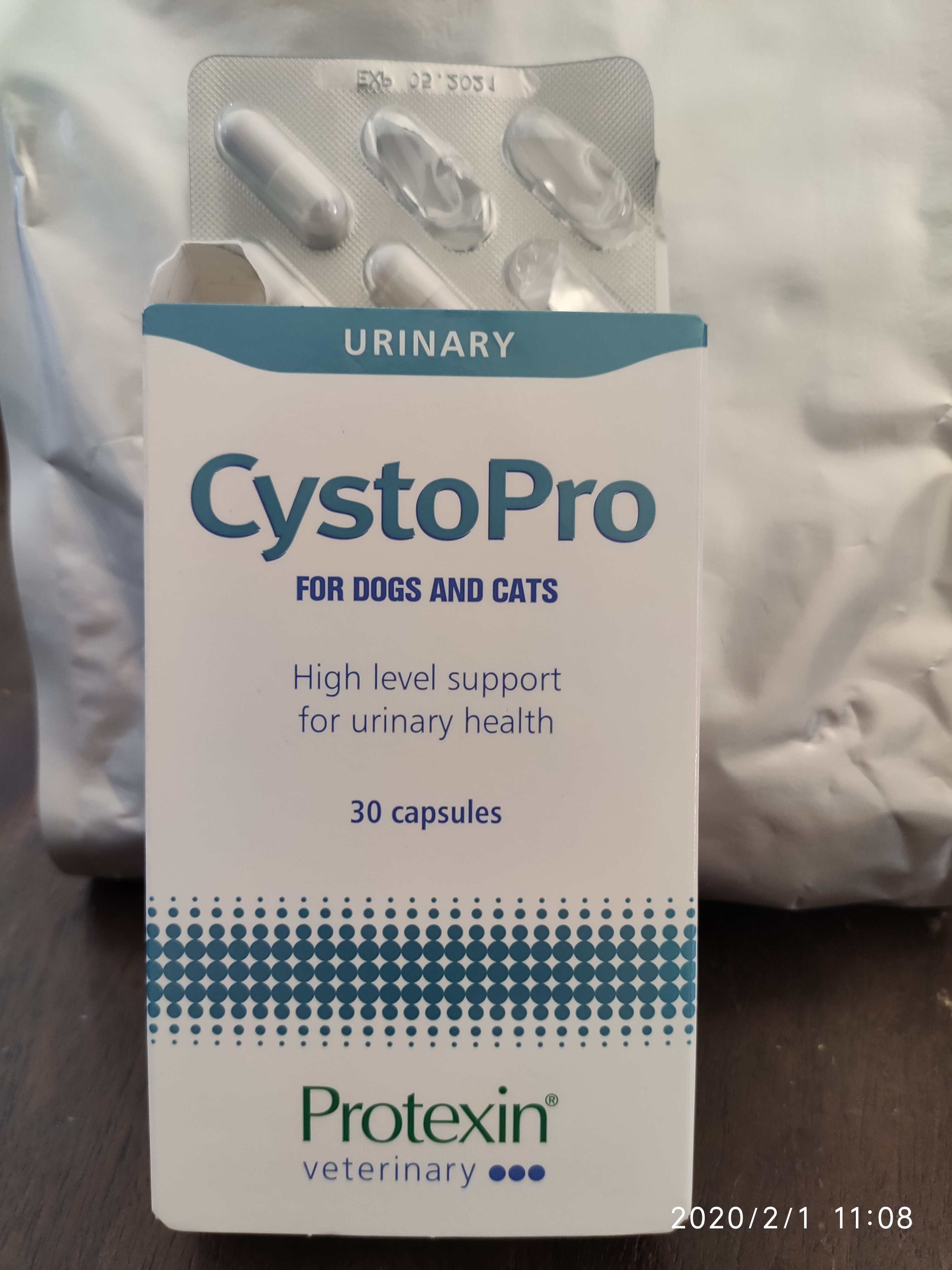
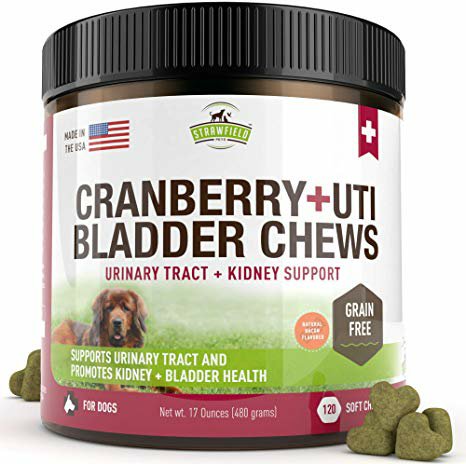
In addition to drinking more water, a bladder supplement like cranberry or Cystophan (cats) or CystoPro (dogs) is very effective in preventing bladder infections.

Another preventative is Organic Apple Cider Vinegar: adding a little to the regular drinking water (if they’ll accept it) or mixed in a small amount of water and fed by syringe slowly into the mouth. Bladder bacteria can’t survive in an acidic bladder environment.
Thai is what I have done in the past: 1/4 teaspoon Apple Cider Vinegar to canned cat food. Do this for each meal until the bladder Infection symptoms are gone and then continue once a day or three times a week for maintenance (preventative).

Go to the vet if you suspect your pet has a bladder infection, take him/her to the vet to get the urine tested (the vet will try to squeeze out some urine to test). Our vet uses a quick urine strip test and will prescribe antibiotics.
As with any infection needing antibiotics, make sure you give it on time every day and don’t skip or stop treatment without a follow up at the vet to confirm whether the infection is still present or not. If the first 3 days to one week of antibiotics doesn’t give your pet full relief from the symptoms of discomfort them go back to the vet because it is possible that the bacteria is not responding to that particular antibiotic. In that case, ideally, the vet will send off a urine sample to a laboratory for bacteria culture to find the right antibiotic.
Usually it will take about 3 weeks of continuous antibiotic treatment to fully get rid of the infection…. assuming it is the right antibiotic.
And…once the infection is cleared up, continue with the preventative measures.
Note: quite often cats that are experiencing stress may get a bladder/urinary tract infection. The stress caused them to perhaps drink less, or hold onto their pee for longer. This must be dealt with in order to prevent further infections. Cystophan can be helpful for cats because it contains an anti-stress supplement. Stress could come from other animals, separation anxiety (left alone too much) or other reasons.
If your dog/cat is getting older (5 yrs and above), a joint supplement may be a good idea as a preventative.
This is especially important for long bodied dogs like sausage dogs, hounds etc and larger/heavier dogs.
If your dog/cat isn’t showing signs of joint pain, you are lucky & can get started with a preventative supplement now!
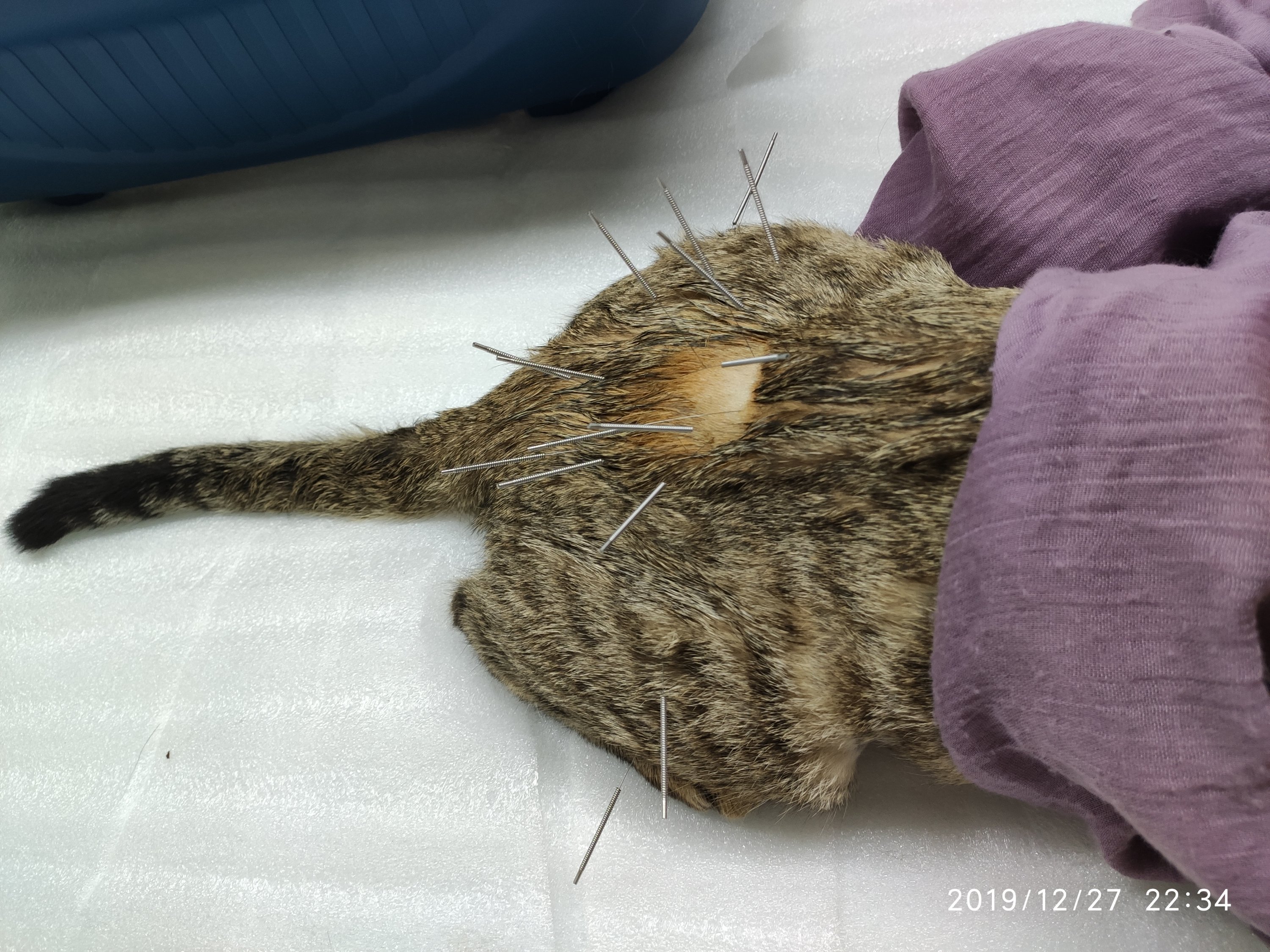
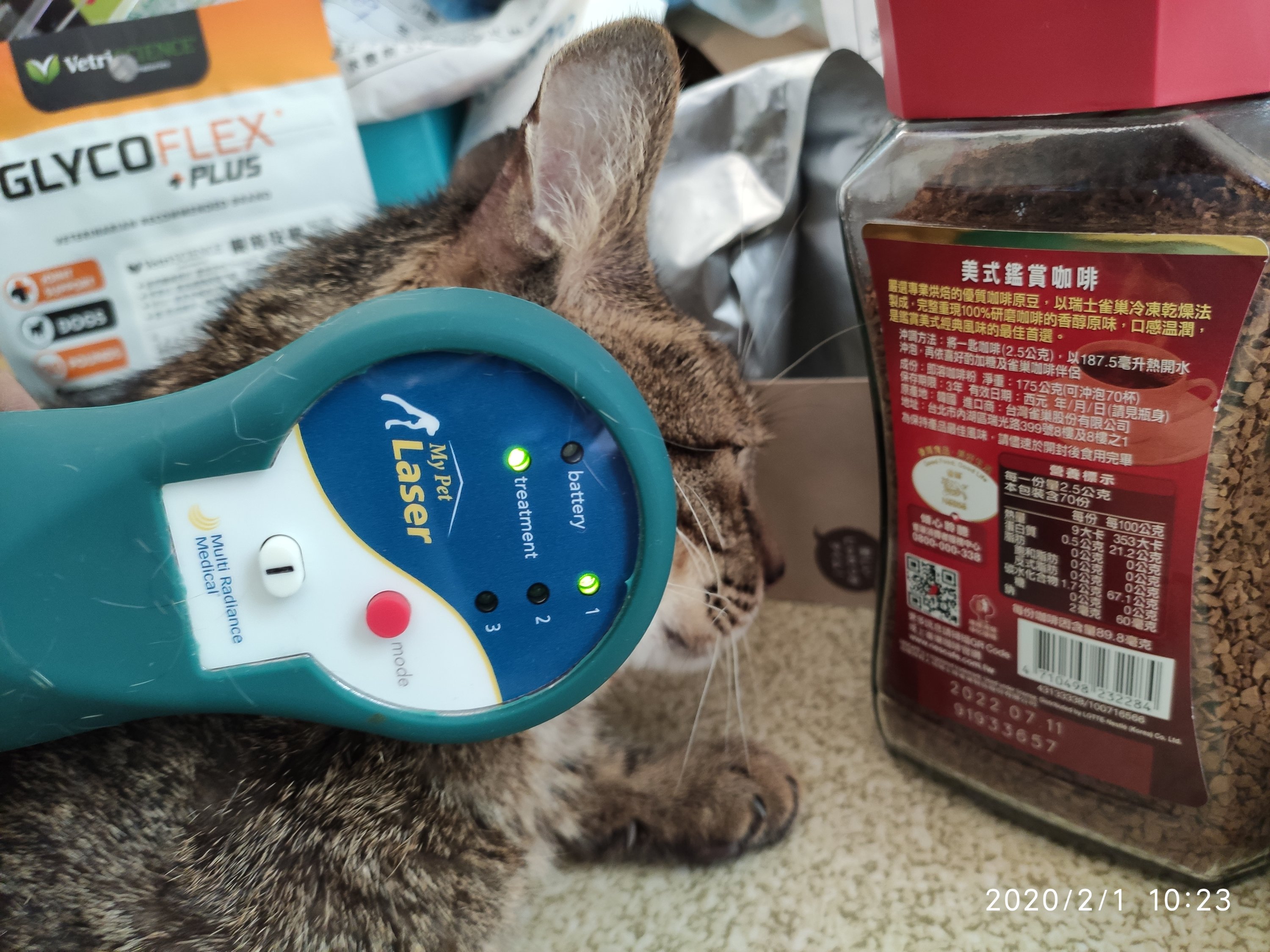
If your dog/cat is already showing signs of joint problems like stiffness when walking or getting up/down stairs, or even worse, not lifting the head due to neck pain, get onto a strong supplement right away, and if possible, get acupuncture or cold laser treatment or PEMF as well. See below for more information.
A warning about NSAID pain killers from your vet…avoid this if possible. Why? It is not a long term solution, it only masks the pain and it is very damaging to the kidneys. We must always do everything we can to preserve our pet’s kidneys because once they go downhill, there is no turning back.
Supplements worth looking into include a commercially available joint supplement that contains turmeric, glucosamine, chondroitin, MSM etc. Some examples of what has worked for my dogs are shown below.




Acupuncture for joint /back pain & osteoarthritis
Cold laser treatment
PEMF therapy (pulsed electromagnetic field)

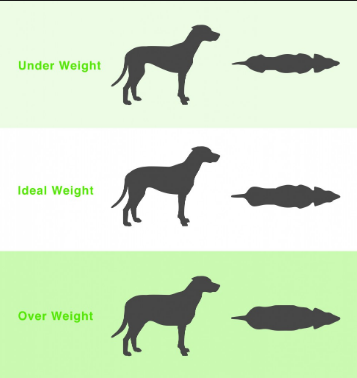
Weight matters
 Pet Health Remedies